Archaic silver punch-marked coin, middle Ganges valley region, traditionally attributed to 'Kosala' Janapada, (400-300 BC), ABBC configuration, Murphy Series II, no. II.16.1.2, 4.30g.
Lorem ipsum
Sharjah Central Souq also known as Islamic Souq, the Blue Souq or the central market
Coin, United Arab Emirates, 10 Fils, 2011, British Royal Mint, , Bronze
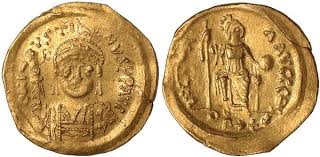
Archaic silver punch-marked coin, middle Ganges valley region
Murphy Series II, no. II.16.1.2, 4.30g. Obv:Four punches, 1x 'Star of David' with dots between angles, 1x four-armed whorl and 2x elephant facing to right
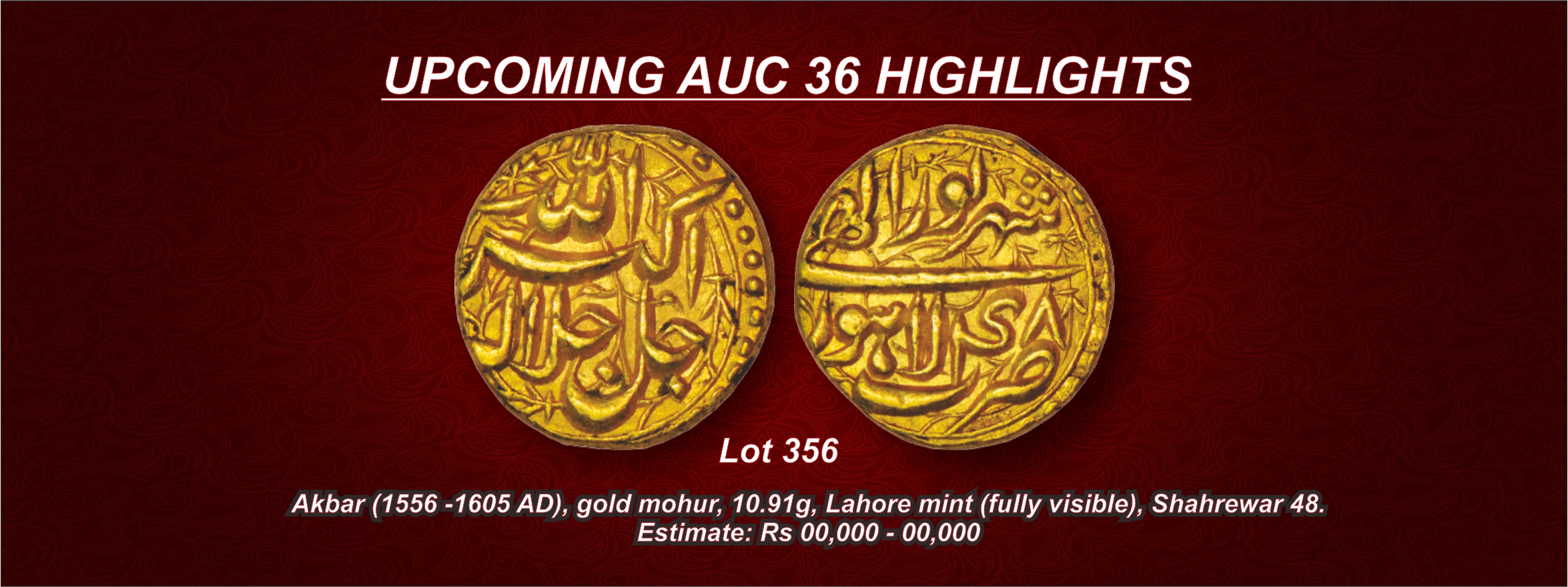
Lorem ipsum, or lipsum as it is sometimes known, is dummy text used in laying out print, graphic or web designs.
Lorem ipsum, or lipsum as it is sometimes known, is dummy text used in laying out print, graphic or web designs. Minor bankers' marks, including a bow-and-arrow. Very fine, Very scarce.
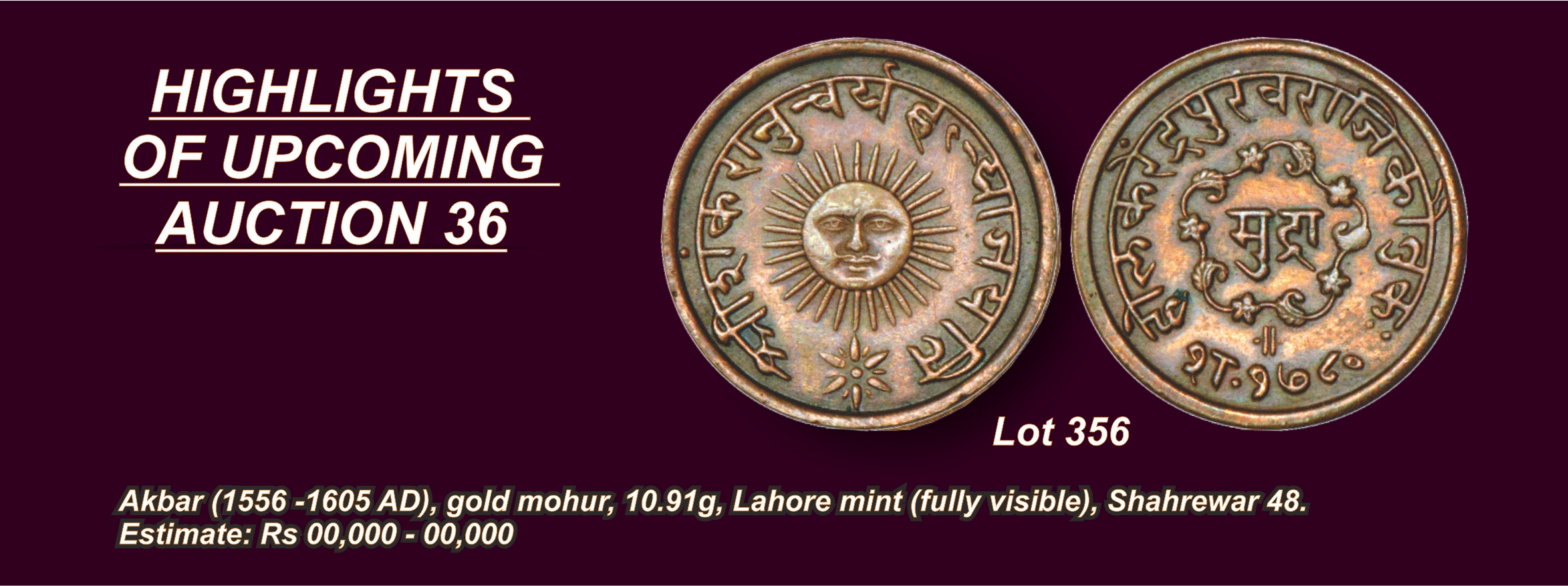
The passage is attributed to an unknown typesetter in the 15th century who is thought to have scrambled parts of Cicero's De Finibus Bonorum
Dragons intertwined on Silver Viking Age disk brooch 9th century CE, England
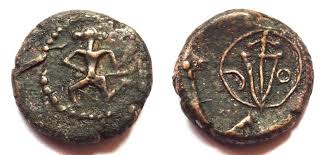
Forside af den såkaldte ansigt/hjort penning. Trods omkring 1200 år i jorden er bevaringstilstanden fremragende. Foto: Sydvestjyske Museer. Den 14. august 2018 kom det til Sydvestjyske Museers
Forside af den såkaldte ansigt/hjort penning. Trods omkring 1200 år i jorden er bevaringstilstanden fremragende. Foto: Sydvestjyske Museer. Den 14. august 2018 kom det til Sydvestjyske Museers Ganges valley region, traditionally
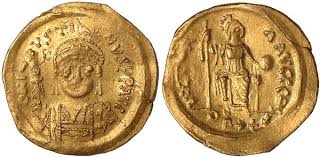
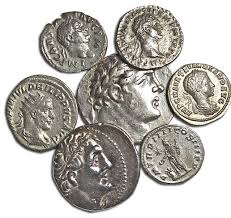
Ancient Platinum coins from AD 10
Ancient Platinum coins from AD 10
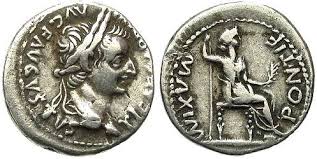
Lion. Silver early penny, King Eadberht of Northumbria (738-58), York mint. CM.1988-2007, De Wit Collection.
Ancient Greek coin of Elis illustrating the Olympian Zeus / vintage illustration from Meyers Konversations-Lexikon 1897
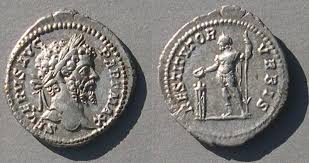
Ancient Greek coin of Elis illustrating the Olympian Zeus / vintage illustration from Meyers Konversations-Lexikon 1897
Ancient Greek coin
'Kosala' Janapada, (400-300 BC), ABBC configuration, Murphy Series II, no. II.16.1.2, 4.30g.
'Kosala' Janapada, (400-300 BC)